
How to Store a Couch in a Storage Unit the Right Way
Rizzzo Self Storage
December 16th, 2025
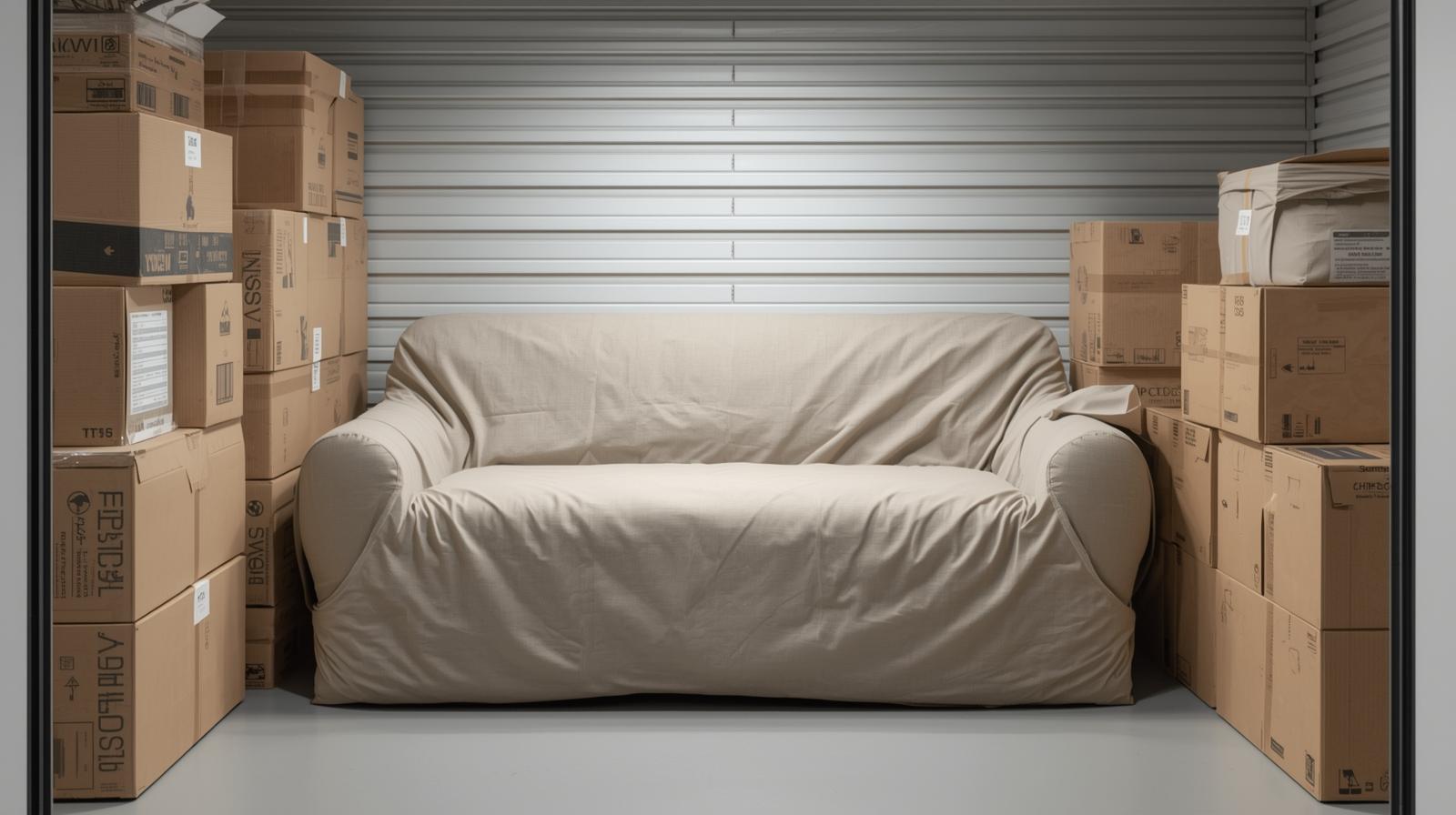
Storing a couch sounds simple until you actually have to do it. Couches are bulky, awkward to move, and surprisingly easy to damage if they are stored the wrong way.
If you are moving, downsizing, remodeling, or just freeing up space, taking a little extra time to store your couch properly can save you from mold, odors, sagging cushions, or torn fabric later. Using a clean, secure facility like self storage in Zephyrhills gives you a solid starting point, but how you prep and place the couch matters just as much.
This guide walks you through the entire process, step by step, so your couch comes out of storage in the same condition it went in.
Decide if Storage Is the Right Option for Your Couch
Before moving a couch into storage, it is worth asking whether you plan to use it again. If the couch has structural damage, deep stains, or worn padding, storage may only delay replacement. On the other hand, quality couches, sectionals, and sentimental pieces are absolutely worth protecting.
Storage makes sense if you are between homes, renovating, temporarily downsizing, or holding onto furniture for a future move. It is also common for people to store couches during estate transitions or when combining households.
Measure Your Couch and Choose the Right Storage Unit
One of the most common mistakes is renting a unit that is too small. Couches need space not just to fit, but to breathe. Measure the length, depth, and height of your couch before choosing a unit.
Most standard couches fit comfortably in a 5x10 unit, but larger sectionals may require a 10x10 or larger. You should also plan space around the couch so it is not pressed tightly against walls or other items. Crowding furniture increases the risk of scratches, crushed arms, and fabric wear.
If you’re storing more than just a couch, our guide on what size storage unit fits a 2 bedroom apartment can help you choose the right amount of space.
Climate controlled storage is strongly recommended for couches, especially those made with fabric, leather, or wood frames. Temperature swings and humidity can lead to mold growth, warped wood, and cracked leather over time.
If you’re comparing unit options and budgeting for storage, this guide on how much a storage unit costs in Zephyrhills, FL breaks down typical prices and what factors affect monthly rates.
Clean the Couch Thoroughly Before Storage
Never store a couch that is dirty. Even small crumbs, pet hair, or spills can attract pests or cause stains to set permanently.
Start by vacuuming the entire couch, including under cushions and along seams. If the cushion covers are removable and washable, clean them according to the manufacturer’s instructions and allow them to dry completely. For non removable fabric, spot clean any stains and let the couch air dry.
Leather couches should be wiped down with a damp cloth and treated with a leather conditioner before storage. This helps prevent drying and cracking while the couch sits unused.
Make sure the couch is completely dry before wrapping or covering it. Trapped moisture is one of the biggest causes of damage in storage.
Disassemble What You Can Safely Remove
Many couches have removable legs or detachable sections. Taking these off reduces stress on the frame and makes the couch easier to position in the unit.
Place removed legs, hardware, or small pieces into a labeled bag and keep them together. Wrapping these parts separately prevents pressure points that could damage the couch’s body.
Do not force disassembly. If a part does not come apart easily, it is better to leave it intact than risk breaking the frame.
Use the Right Materials to Protect the Couch
The goal is to protect your couch from dust while still allowing airflow. Plastic wrap alone is not ideal because it traps moisture.
The best approach is to use breathable furniture covers or moving blankets. Cover the couch fully, then loosely secure the cover with stretch wrap or packing tape. Avoid wrapping plastic directly against fabric or leather surfaces.
According to guidance from The American Moving and Storage Association, breathable coverings reduce the risk of condensation and mold during long term storage. This is especially important in Florida’s humid climate.
For extra protection, place cardboard pieces on armrests and corners before covering the couch. These areas are the most vulnerable to dents and tears.
Store the Couch Upright or Flat the Right Way
There is a lot of debate about whether couches should be stored upright or flat. The correct answer depends on the couch type.
Standard sofas with sturdy frames can be stored upright on their end, as long as they are supported evenly and not leaning at an angle. Place a pallet or flat board under the couch so it does not sit directly on the storage unit floor.
Reclining couches and sleeper sofas should almost always be stored flat. Standing these upright can strain internal mechanisms and cause misalignment.
Never stack heavy items on top of a couch. Even short term pressure can permanently damage cushions and frames.
Elevate the Couch Off the Floor
Always keep furniture off the ground in storage. Even climate controlled units can experience minor condensation or dust at floor level.
Wood pallets, furniture risers, or flat plastic platforms work well. Elevation improves airflow and adds a layer of protection from accidental moisture exposure.
This step is especially important for couches with wooden legs or fabric skirts that could absorb moisture.
Position the Couch Carefully Inside the Unit
Where you place the couch inside the unit matters. Avoid pushing it directly against exterior walls. Leave a few inches of space around the couch to allow airflow and make future access easier.
Do not wedge the couch between other items. If you are storing additional furniture, place lighter items nearby and keep heavy boxes away from pressure points.
Label the couch area so it is easy to identify and avoid accidental damage when retrieving other items.
Avoid Common Couch Storage Mistakes
Some mistakes are made so often that they warrant direct attention.
- Do not use airtight plastic as the only covering
- Do not store a couch without cleaning it first
- Do not place mattresses or heavy boxes on top of the couch
- Do not store a couch in a non climate controlled unit for long periods in humid climates
- Do not forget to check on long term storage items occasionally
A quick visit every few months lets you catch issues early.
How Long Can You Store a Couch Safely
A properly prepared couch can be stored safely for months or even years. The key factors are cleanliness, airflow, and climate control.
Leather couches benefit from occasional conditioning if stored long term. Fabric couches should be checked for odors or moisture buildup. Rotating cushions once or twice a year can also help maintain shape.
Facilities like Rizzzo Self Storage offer clean, secure environments that make long term furniture storage far less risky than garages, sheds, or spare rooms.
When It Is Time to Take the Couch Out of Storage
When you are ready to bring the couch home, unwrap it carefully and let it air out before bringing it indoors. Vacuum again to remove any settled dust and inspect for any minor issues.
If the couch was stored properly, it should look and feel the same as the day it went in.
For additional furniture care guidance, Consumer Reports’ furniture maintenance resources offer helpful tips on extending the life of upholstered and leather furniture.
Final Thoughts on Storing a Couch the Right Way
Storing a couch does not have to be stressful or risky. With the right preparation, materials, and storage environment, your couch can stay clean, fresh, and damage free for as long as you need.
Taking a few extra steps upfront saves money and frustration later. Choosing a reliable option like Rizzzo Self Storage gives you peace of mind and the flexibility to store your furniture safely as life transitions on your timeline.
Categories